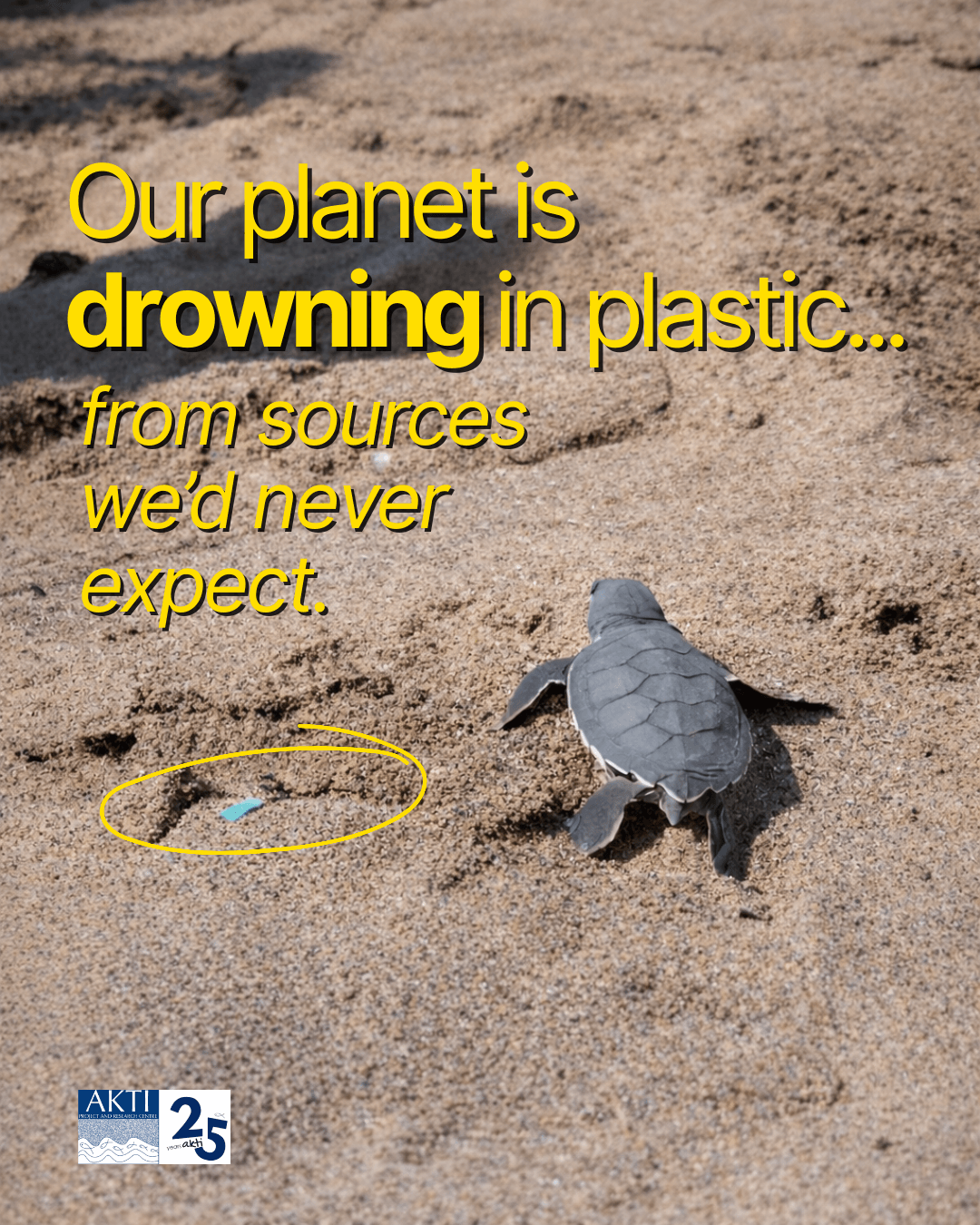
🌍 Our planet is drowning in plastic, from sources we’d never expect.
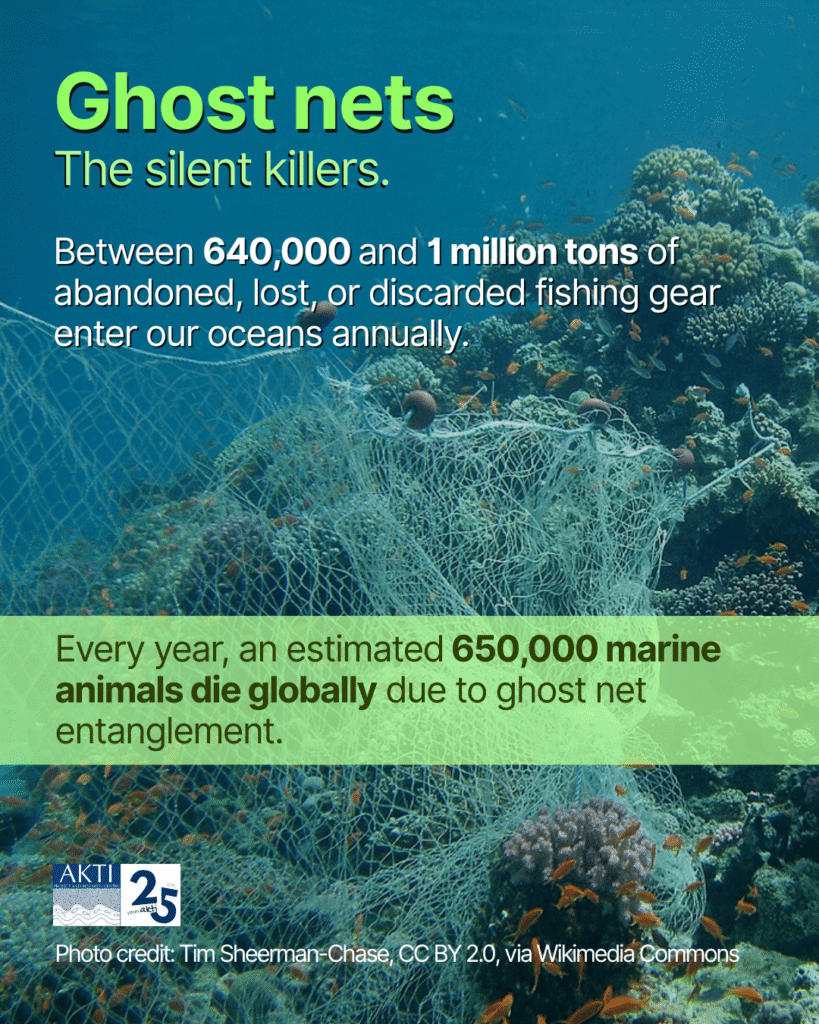
🌊 In our oceans: Ghost nets are silent killers.
Ghost nets, abandoned, lost, or discarded fishing gear made mainly of nylon and polyethylene, are a deadly form of marine plastic pollution.
🎣 Each year, an estimated 640,000 to 1 million tons of fishing gear enter the oceans, making up nearly half the plastic mass in the Great Pacific Garbage Patch. (Earth.org, 2020, Ocean Earth Foundation, 2024).
These nets continue to trap fish, turtles, seabirds, and even whales, often leading to slow death. Every year, an estimated 650,000 marine animals die globally due to ghost net entanglement (World Animal Protection, 2025).
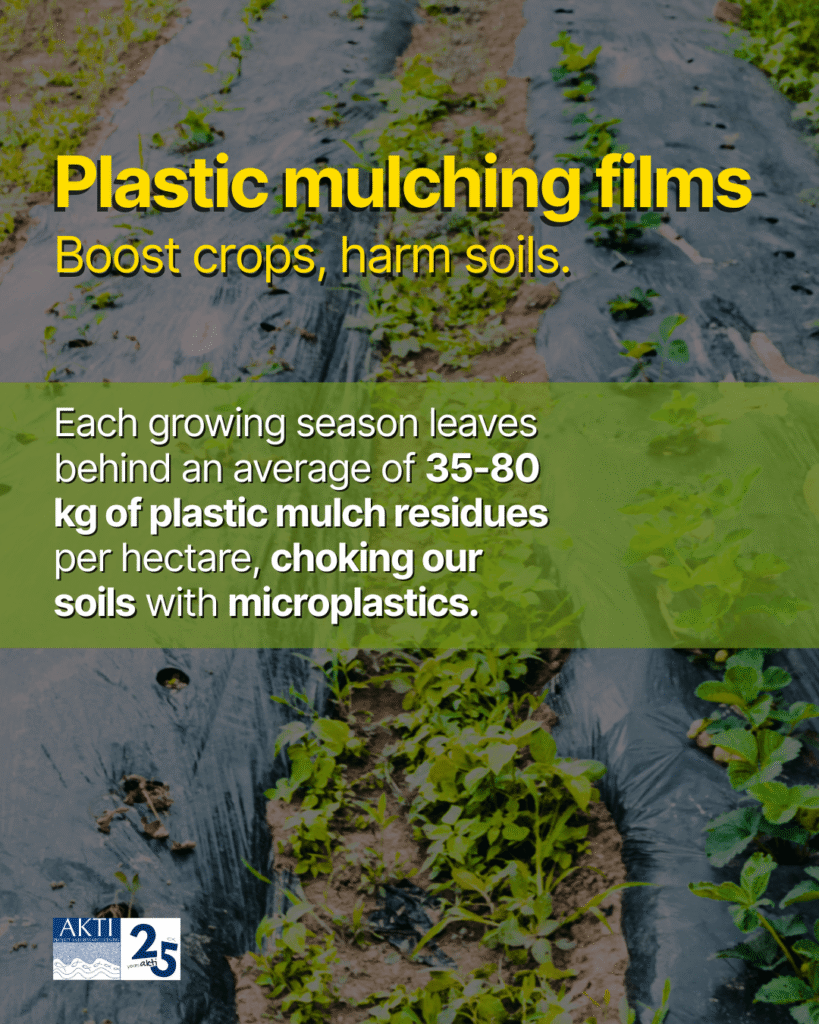
🌱 On land: Plastic mulch boosts yields but damages soil.
Plastic mulch films are widely used in agriculture to improve crop yields by regulating soil temperature, moisture, and weed growth, especially in drier and colder regions. But when these films tear or degrade, fragments remain in the soil.
Each growing season leaves behind around 36 kg of plastic residues per hectare (PNAS Nexus, 2024). Over time, these break into microplastics, altering soil structure and blocking airflow and water movement. As a result, soil health declines, threatening long-term food security.
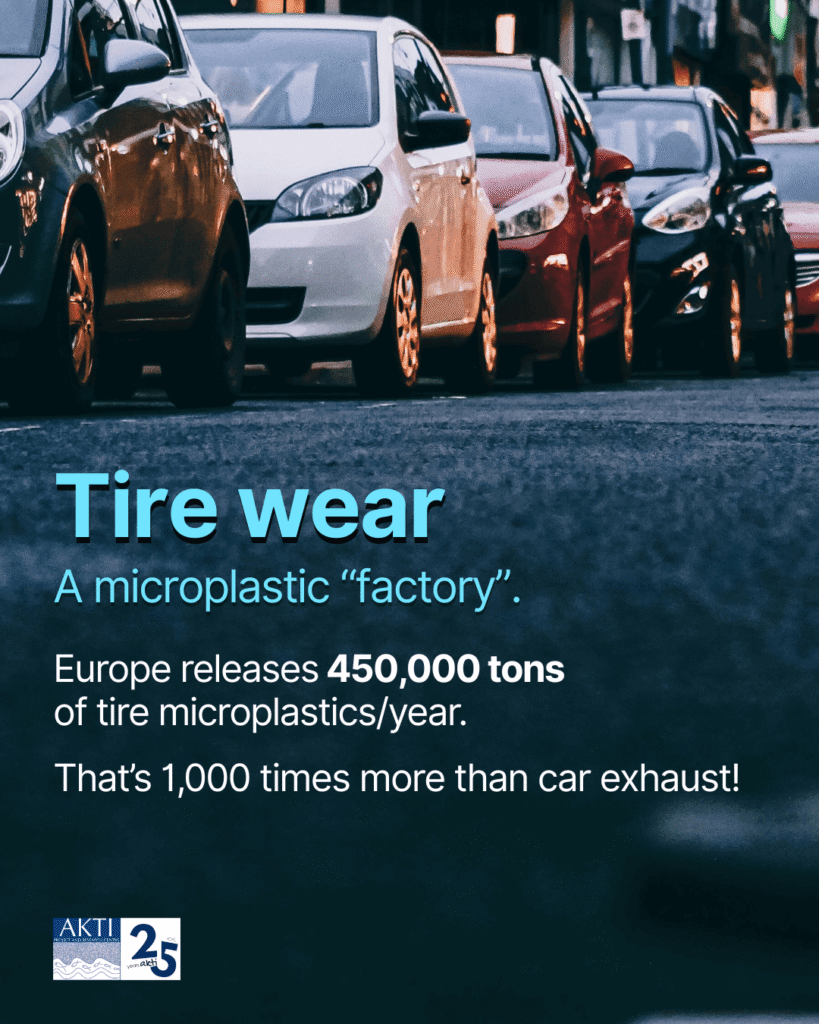
🏙️ In cities: Tire wear is a hidden microplastic factory.
Every time a car drives, brakes, or turns, tiny pieces of rubber wear off the tires. These microplastic particles end up in the air, soil, and water.
🚗 Europe releases about 450,000 tons of these particles each year. They are 1,000× more abundant than car exhaust emissions (Emissions Analytics, 2020).
The good news? Plastic pollution is one of the most fixable environmental crises. Solutions already exist, from bioplastics and circular economy practices to better waste management and global treaties with enforceable reduction targets. ♻️