Microplastics are found everywhere, in the food we eat, the water we drink and according to the latest scientific research, are present even in human lungs. As a result, efforts to minimize their negative effect on the environment and our health are being intensified.
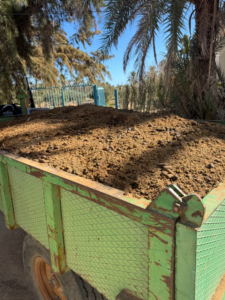
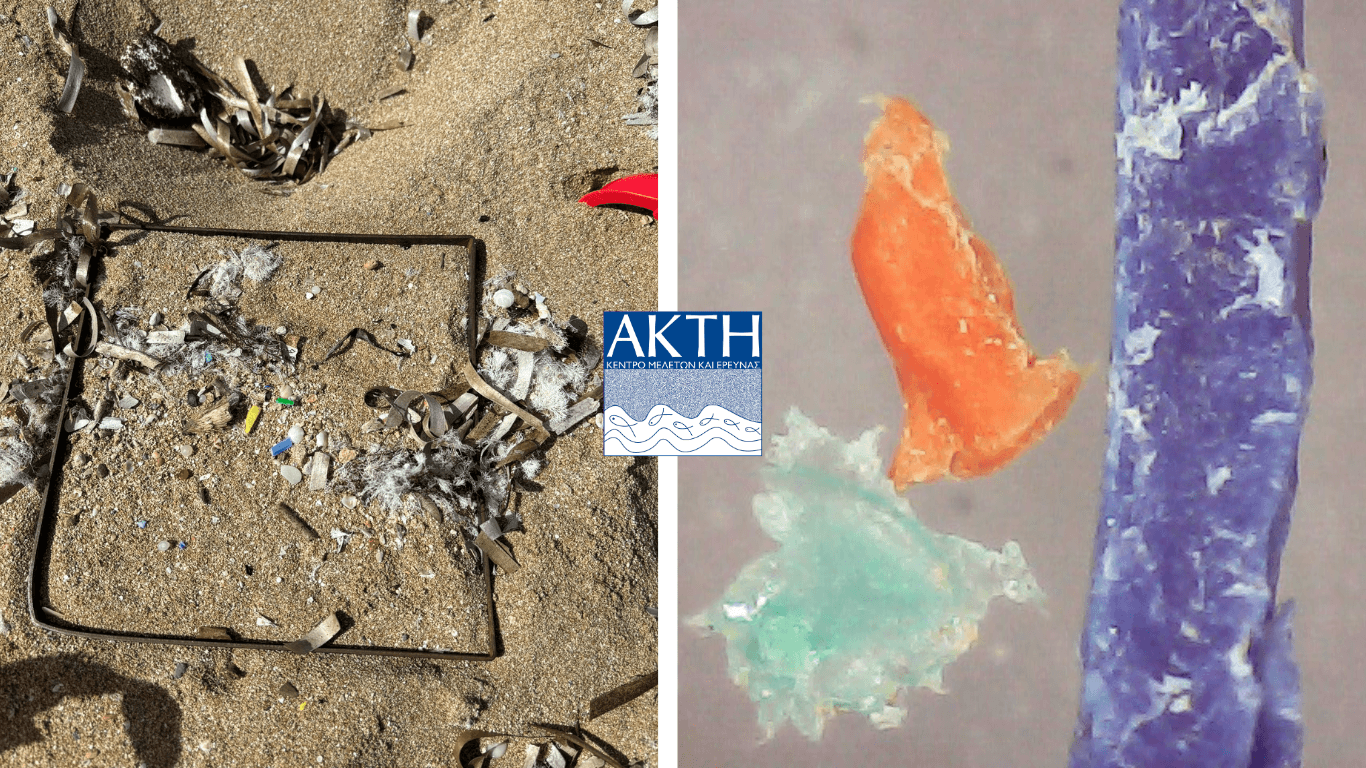
Since 2022, AKTI Project and Research centre has been researching qualitative and quantitative detection of microplastics on Cyprus’s beaches, aiming to create the first database for microplastics in Cyprus. This is the first time a research project like this takes place in Cyprus. The project aims to answer critical questions about the sources of microplastics and how this is connected to the fact that the most persistent type of marine debris is plastic. This project highlights the alarming reality that plastic is being produced and consumed at a rate faster that exceeds the capacity for sustainable dispose or recycle. Based on a robust method, 10 beaches/sites were selected for sediment sampling, four times a year in the months of March, July, September, and December. The samples are going through laboratory analysis, sieving, suspension, and the use of electronic microscope for visual analysis.
This field work will provide valuable data to guide the policies against plastic pollution, since it will give the first indication in the eastern Mediterranean of microplastics concentration on beaches. AKTI engages interns, university science students, citizens and volunteers to help with the project.
The project received funding from Columbia Shipmanagement from 2022 to 2025 and is now continuing as self-funded.
Publications